

Discover the Lion Brand
How to Grill a Ribeye Steak on a Lion Gas Grill

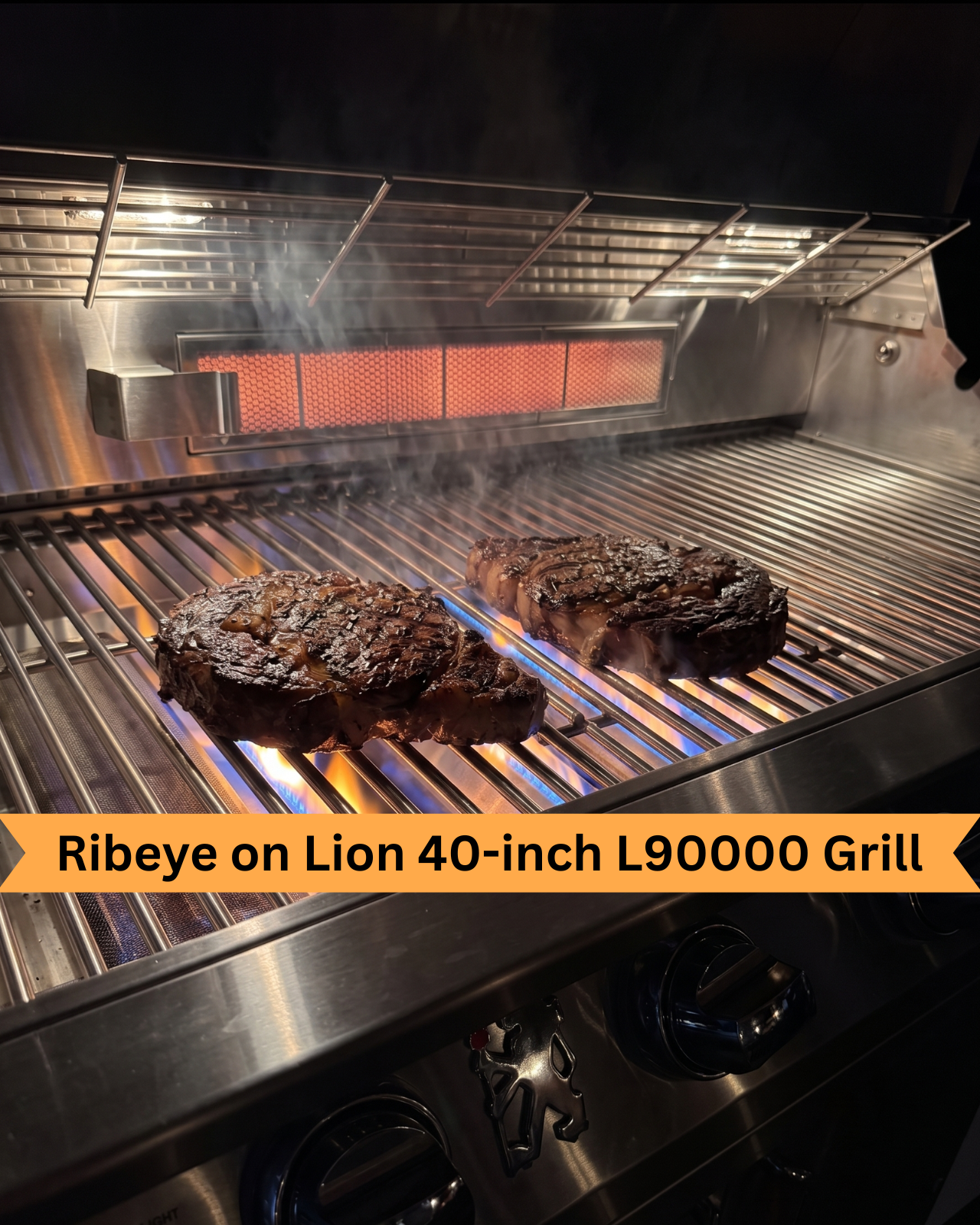
How to Grill a Ribeye on a Gas Grill
Learning how to grill a ribeye on a gas grill is one of the most satisfying skills you can pick up for backyard cooking, and on a Lion Premium Grill it is easier than ever to get a juicy center and a deep, steakhouse-style crust. With strong, even heat from Lion's stainless steel burners and precise temperature control, you can sear the outside hard while keeping the inside exactly how you like it. Whether it is a weeknight treat or a weekend cookout, this guide walks you through every step, from seasoning to resting, so your ribeye comes out right every time.
Why a Lion Grill Makes the Best Steak
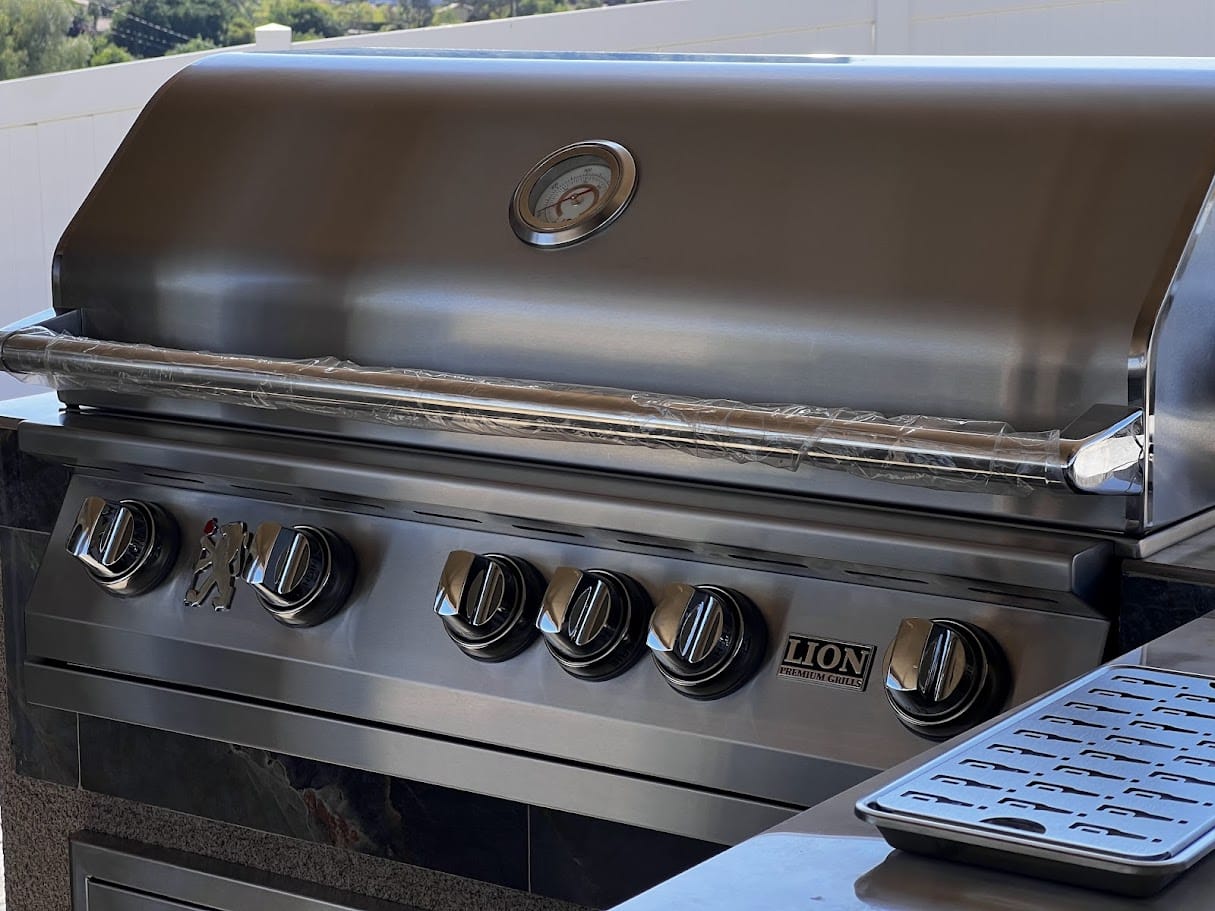
A great steak starts with strong, controllable heat, and that is exactly what a Lion grill is built to deliver. This Lion grill steak recipe works so well because the grill's stainless steel burners put out high, even heat across the whole cooking surface, which is what gives a ribeye that hard sear without hot and cold spots.
The Lion L90000 40-inch grill is a great example. It runs five stainless steel burners for a total of 75,000 BTUs, plus a separate 15,000 BTU infrared rotisserie burner, so you have all the power and zone control you need to sear hot on one side and finish gently on the other. That kind of heat is the difference between a gray, evenly-cooked steak and a proper steakhouse crust with a juicy center.
For an even better crust, Lion also offers an optional infrared searing burner. It puts out intense, focused heat that is perfect for getting that deep, restaurant-style char on steaks, scallops, and burgers. It is the upgrade we point to whenever someone wants to take their searing to the next level.
How to Grill a Ribeye on a Gas Grill, Step by Step
Grilling a ribeye on a gas grill comes down to a hot grill, simple seasoning, and a good thermometer. Here is everything you need and every step to follow.
What You'll Need
- 2 ribeye steaks, about 1 to 1.5 inches thick
- 2 tablespoons olive oil
- 1 to 2 tablespoons kosher salt
- 1 tablespoon coarse black pepper
- 2 cloves garlic, minced (optional)
- A few sprigs of fresh rosemary or thyme (optional)
- 2 tablespoons butter for finishing (optional)
- A meat thermometer (the one tool you really do not want to skip)
Step by Step
- Take the steaks out of the fridge. Let them sit at room temperature for about 30 to 45 minutes if you have the time. This helps them cook more evenly, but is not required. While you wait, pat both sides dry with paper towels. A dry surface is what gives you a good sear.
- Season simply. Rub the steaks with olive oil, then season generously on both sides with kosher salt and coarse black pepper. Ribeye has great flavor on its own, so it does not need much. If you like, add the minced garlic and fresh herbs.
- Preheat the grill. Turn your Lion grill's main burners to high, close the lid, and let it heat to about 450 to 500 degrees Fahrenheit. A hot grill is essential for a strong sear. Give it a good 10 to 15 minutes to come up to temperature.
- Sear over direct heat. Place the steaks over the hottest part of the grill and close the lid. Sear for about 4 to 5 minutes on the first side without moving them, then flip once and sear the other side for another 3 to 4 minutes. You are looking for a deep brown crust.
- Finish over indirect heat if needed. For thicker steaks, move them to a cooler zone (a burner turned to low or off) and close the lid to bring them up to your target temperature without burning the crust.
- Check the temperature. Insert the meat thermometer into the thickest part of the steak, away from bone or fat. Pull the steaks a few degrees before your target, since they keep cooking while resting. Common targets are about 130 to 135 degrees Fahrenheit for medium-rare, 140 degrees for medium. The USDA safe minimum for beef steaks is 145 degrees Fahrenheit with a three-minute rest, so cook to the doneness you are comfortable with.
- Rest before serving. Move the steaks to a plate and let them rest for at least 3 to 5 minutes. This lets the juices settle back into the meat so every bite stays juicy. If you like, top each steak with a pat of butter as it rests.
Want a true steakhouse crust at home? The optional Lion infrared searing burner delivers the intense, focused heat that takes your sear to the next level. Check it out below.
Tips for a Juicy Grilled Ribeye Steak
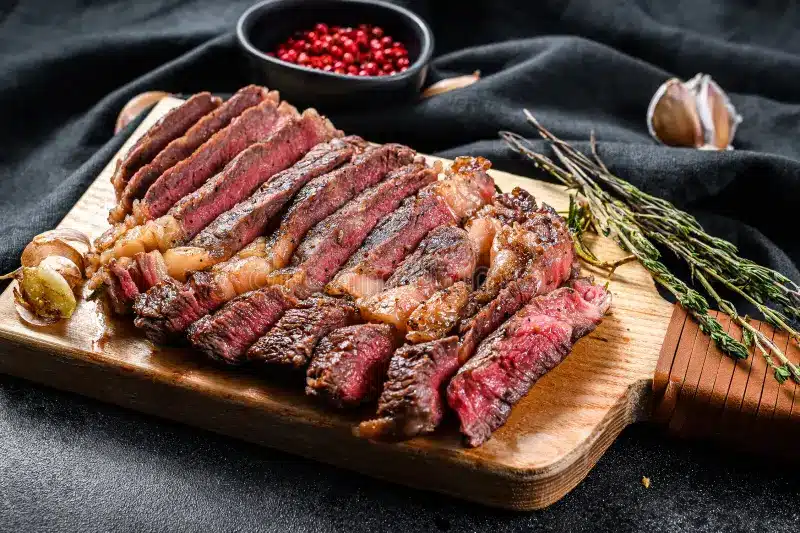
Getting a juicy grilled ribeye steak with a great crust comes down to a few simple habits. The good news is that grilling a ribeye on a gas grill is forgiving once you know the tricks. It really comes down to three things: a dry surface, high heat, and a proper rest.
First, always pat the steaks dry before they hit the grill. A wet surface steams instead of searing, so drying the steak is what lets that crust form. Season right before grilling so the salt does not pull moisture back to the surface.
For a different take, try adding a handful of hickory or oak wood chips to the included smoker box before you start grilling. It gives the ribeye a light, wood-fired flavor that pairs perfectly with the charred crust.
Second, do not move the steak too soon. Let it sit undisturbed on the hot grates so the crust can develop, then flip just once. Constant flipping keeps the surface from browning properly and slows down that sear you are after.
Third, never skip the rest. Pulling the steak a few degrees early and letting it rest for several minutes is the difference between juicy and dry. The juices need that time to settle back into the meat, so cutting too soon lets all that flavor run out onto the plate.
Follow those three habits and you will get a juicy grilled ribeye steak with a steakhouse crust every single time.
A quick safety note: The USDA recommends cooking beef steaks to a minimum of 145 degrees Fahrenheit and letting them rest for at least 3 minutes. Color alone is not a reliable indicator of doneness, so always use a meat thermometer.
Why This Lion Grill Recipe Works
The reason this Lion grill steak recipe turns out so well comes down to the equipment. A great ribeye needs strong, even, controllable heat, and that is exactly what a Lion grill is built to deliver.
The high-output stainless steel burners get hot enough for a true sear, while the separate burner zones let you finish thicker steaks gently without burning the crust. That combination of searing power and heat control is hard to get on a basic gas grill, and it is what makes the ribeye come out evenly cooked from edge to edge.
Beyond the ribeye, a Lion Premium Grill comes with an included griddle, rotisserie kit, and smoker box too, so the same grill handles everything from smash burgers to smoked wings. Add accessories like a rotisserie basket for smaller foods, an infrared sear burner, charcoal trays, or ceramic tube trays, and you turn your backyard grill into a complete outdoor cooking station.
Final Thoughts on How to Grill a Ribeye on a Gas Grill
Learning how to grill a ribeye on a gas grill is one of those skills that feels impressive but is genuinely simple once you have the right setup. With a Lion grill's strong burners and precise heat control, you get a juicy center and a deep, steakhouse crust every time. Dry the surface, sear it hot, trust your thermometer, and let it rest before slicing. That is the whole secret.
Once you have nailed a ribeye, the same grill opens the door to so much more, from rotisserie roasts to smoked wings to griddle breakfasts. It is the kind of grill that turns a regular dinner into something worth gathering around.
Ready to fire up your own backyard steak night? Explore the Lion L90000 grill and the optional searing burner below, and shop Lion Premium Grills and accessories at Lion BBQ Direct.